Crochet stitches are made of loops and connections.
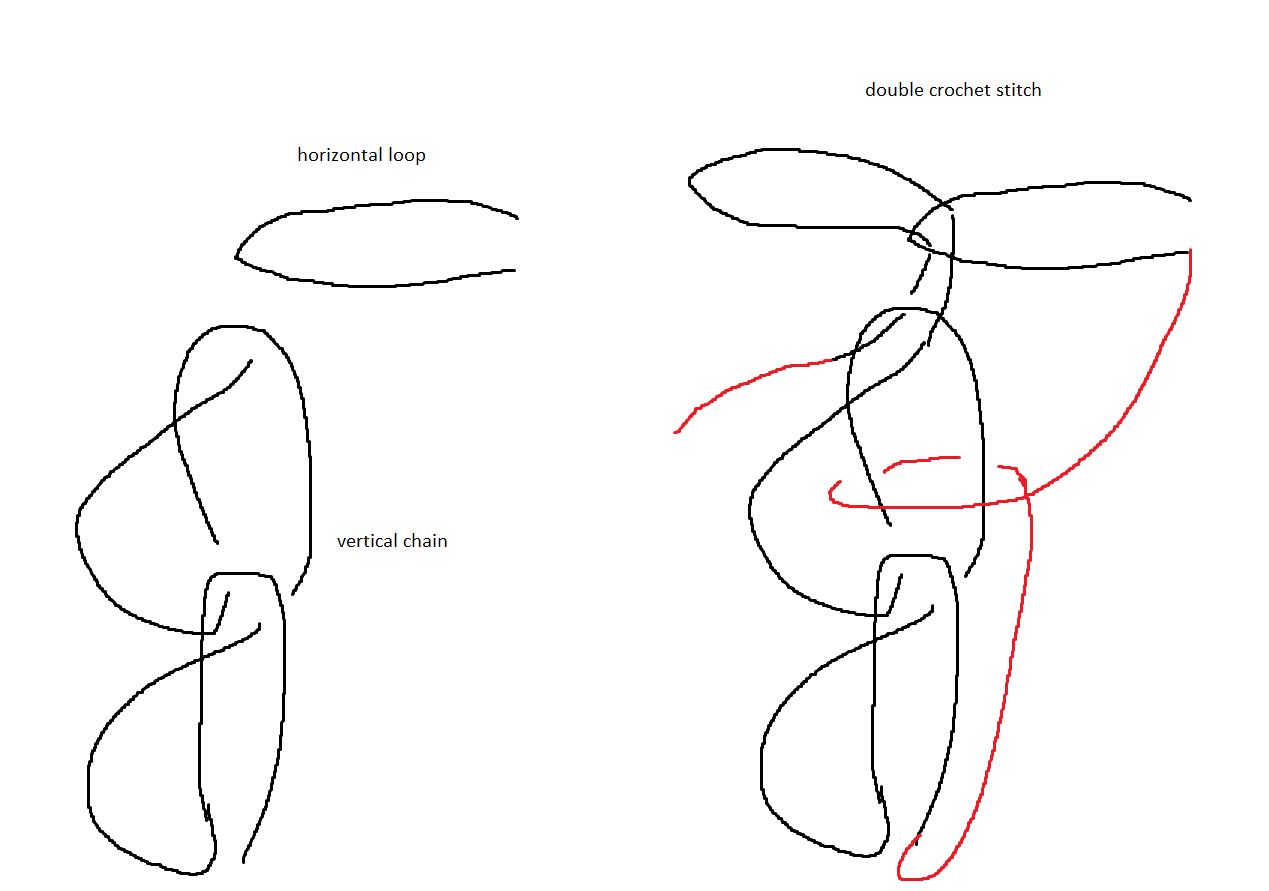
A loop is like this:
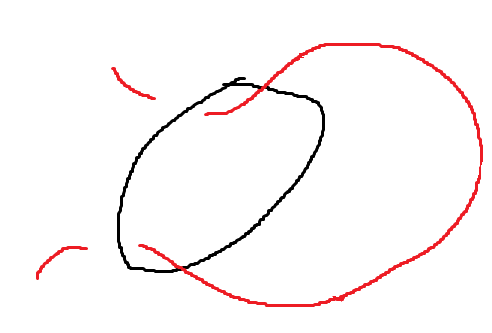
The loop can go through anything, including another loop. Typically, this loop is short and simple. I only know of one case where loops twist around each other, but nothing more complicated.
Something has to go through the loop, otherwise it can be pulled out. Usually that “thing” will be another loop. Also, the two ends of the loop have to be connected to something or woven into the rest of the project to keep it secure.
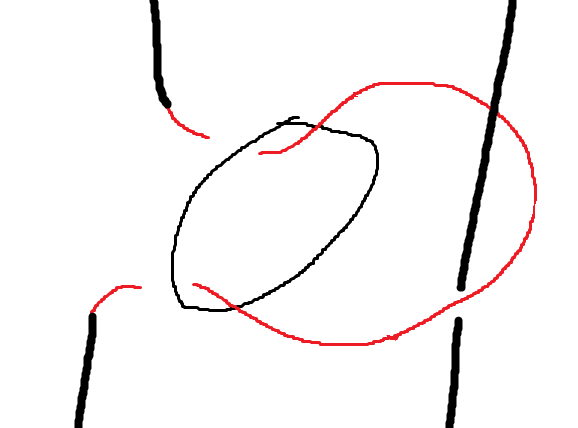
To make many loops using one strand of yarn, the yarn has to travel between loops. Lets call the yarn connecting an end of one loop to another a connection.
Chains are just loops in a series (the connections are red and loops are black).
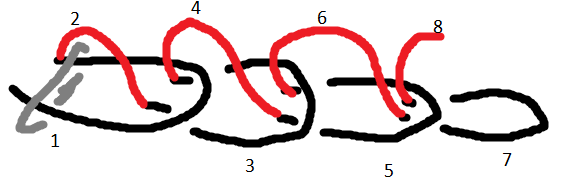
The loops in row of single crochet look like this
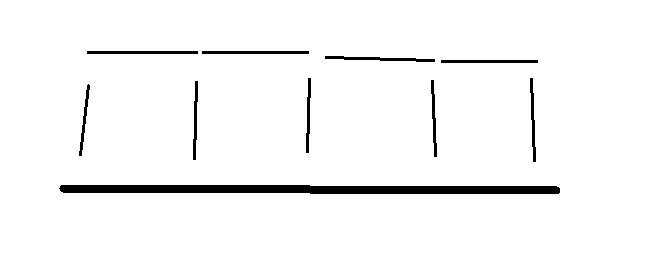
With alternating vertical loops coming up from the previous row and horizontal loops.
In double crochet, the vertical part is a chain of two.
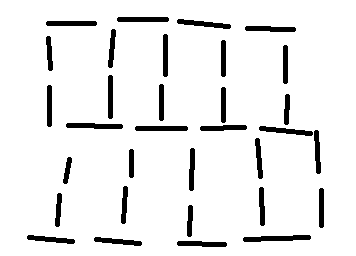
Also, the connection from the previous stitch winds around the chain.
In a treble crochet stitch, each vertical post is three chains, and the connection winds around twice. In a half double crochet stitch, the vertical post is a single loop like with single crochet, but the connection winds around once like with double crochet. Since yarn has finite thickness, this winding forces the red loop to be longer which causes the stitch to be taller.
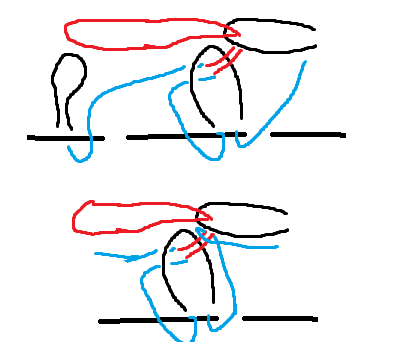
You can think about other combinations of post length and windings, but they are rarely used in practice.
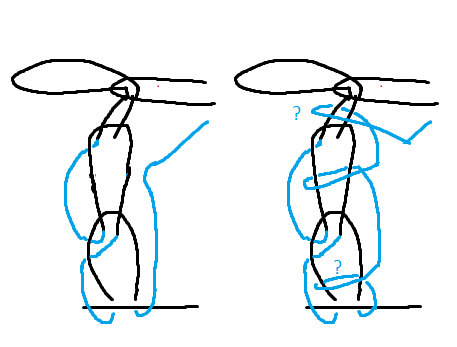
There are also many variations on how the bottom of the vertical post is attached to the previous row.
Thinking in terms of loops and connections makes it easy to understand techniques such as foundation stitches, turning stitches, and more.